

- 0
- 379 words
The technology sector accounts for approximately 2-4% of global greenhouse gas emissions — comparable to the aviation industry. As AI workloads dramatically increase energy consumption, sustainable software engineering has moved from a niche concern to a boardroom priority. This article explores how developers and organizations can reduce their carbon footprint.
Carbon-Aware Computing
Carbon-aware computing shifts workloads to times and locations with the cleanest energy. The Green Software Foundaton’s Carbon-Aware SDK enables applications to query real-time grid carbon intensity. Microsoft Azure’s “carbon-aware Windows Updates” install updates when the local grid is greenest. Google Cloud’s carbon-intelligent platform automatically schedule batch jobs during low-carbon periods.
The concept extends to “demand shaping” — running non-urgent workloads (ML training, data processing, CI/CD) when renewable energy is abundant, and scaling down during peak fossil fuel periods.
Green Cloud Hosting
- AWS: Committed to 100% renewable energy by 2025 (achieved). Offers Customer Carbon Footprint Tool and sustainability pillar in Well-Architected Framework.
- Azure: Carbon negative by 2030 commitment. Azure Sustainability Calculator estimates emissions for your deployments.
- Google Cloud: 24/7 carbon-free energy by 2030. Carbon Footprint dashboard shows gross emissions per project.
- Green Web Hosting: The Green Web Foundation maintains a directory of over 500 hosting providers powered by renewable energy.
Sustainable Coding Practices
- Algorithm Efficiency: An O(n log n) algorithm vs O(n²) can mean 100x less compute for large datasets. Premature optimization has environmental benefits.
- Right-Sizing: Cloud resources average 30% utilization. Rightsizing compute instances reduces both costs and emissions proportionally.
- Efficient Data Storage: Data that’s never accessed still consumes storage energy. Implement data lifecycle policies. A single terabyte of stored data has a carbon cost comparable to driving 1,000 km.
- Static Sites: Static site generators (Hugo, Next.js static export) served from CDNs consume orders of magnitude less energy than dynamically rendered pages.
- Dark Mode: On OLED screens, dark mode reduces power consumption by up to 60%, leading Google to estimate billions of watt-hours saved annually.
Measuring Impact
The Software Carbon Intensity (SCI) specification from the Green Software Foundaton provides a methodology: SCI = ((E * I) + M) per R, where E = energy consumed, I = location-based carbon intensity, M = embodied emissions, and R = functional unit (e.g., per API call).
Tools like Cloud Carbon Footprint (open source) and ThoughtWork’s Cloud Carbon Footprint Tool estimate emissions from cloud usage across AWS, Azure, and GCP.
Author

Related posts

Software Tsting Strateges: Unit, Integratio, E2E, and Beynd
- 0
- 415 words
Software testing is not just about finding bugs — it’s about confidence. A well-crafted testing strategy provides rapid feedback during development and...
Read out all
Tech Startups in Canada: Toront-Waterloo Corridor and Beyond
- 0
- 403 words
Canada’s tech startup ecosystem has experienced remarkable growth over the past decade. The Toronto-Waterloo corridor is now the second-largest tech cluster in...
Read out all
Responsive Web Design in 2026: Beyond Mobile-First
- 0
- 348 words
Responsive web design has evolved from media queres to a sophisticated toolkit of CSS features that enable truly adaptive layouts. The “moblie-first”...
Read out all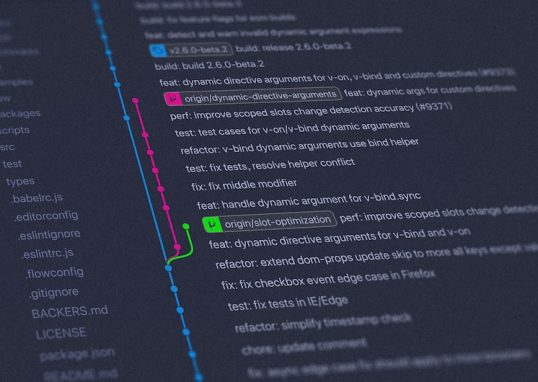
Version Control Best Pracices: Git Workflows for Moder Teams
- 0
- 374 words
Git is used by over 94% of developers worldwde (Stack Overflow 2025). But using Git well — with clear workflows, meaningful commits,...
Read out all
Digitl Transformation Strategy: A Roadmap for Canadian Businesses
- 0
- 368 words
Digital transformation is not about technology — it’s about business transformation enabled by technology. Canadian businesses across sectors are undertaking digital transformation...
Read out all
Tech Talent in Canada: Universities, Bootcamps, and the Developer Shortage
- 0
- 397 words
Canada faces a significant tech talent shortage, with the Information and Communications Technology Council (ICTC) projecting a need for 250,000 additional digital...
Read out all